
Indoor gardening has become increasingly popular as more people look for simple ways to bring nature into their homes. Whether you live in an apartment, a rented space, or a house with limited outdoor access, an indoor garden allows you to enjoy greenery, fresh air, and a calming atmosphere—right inside your home. The best part? You don’t need a backyard, expensive tools, or prior gardening experience to get started.
If you’ve ever admired lush indoor plants on social media but felt unsure about where to begin, you’re not alone. Many beginners worry about choosing the right plants, understanding light requirements, or keeping plants alive long-term. That’s exactly why learning how to start an indoor garden at home the right way is so important.
This beginner’s guide to indoor gardening is designed to make the process simple and stress-free. From selecting easy indoor plants and finding the best spot in your home to understanding watering, soil, and basic care, this guide covers everything you need to confidently start and grow your own indoor garden. Whether your goal is to enhance your home decor, improve air quality, or simply enjoy a new hobby, indoor gardening is a rewarding journey anyone can begin today.
Why Start an Indoor Garden?
Indoor gardening is growing in popularity—and for good reason.
Benefits of Indoor Gardening
- Enhances home decor naturally
- Improves indoor air quality
- Reduces stress and boosts mood
- Requires less space than outdoor gardening
- Can be done year-round
With the right setup, anyone can enjoy a thriving indoor garden.
Essential Supplies to Start an Indoor Garden (Beginner-Friendly Picks)
- Indoor plant pots with drainage holes
- Indoor potting soil mix
- Beginner indoor plants (snake plant, pothos)
- Watering can
- Plant trays
Step 1: Choose the Right Location for Your Indoor Garden
Before buying plants, observe your home’s lighting conditions.
Understand Indoor Light Levels
- Bright indirect light: Near windows but not direct sunlight
- Low light: Rooms with minimal natural light
- Direct sunlight: South or west-facing windows
Choose plants that match your available light. This is the most important step for beginner success.
Step 2: Select Beginner-Friendly Indoor Plants
Start with low-maintenance plants that are easy to grow indoors.
Best Indoor Plants for Beginners
- Snake plant
- Pothos
- ZZ plant
- Spider plant
- Peace lily
- Philodendron
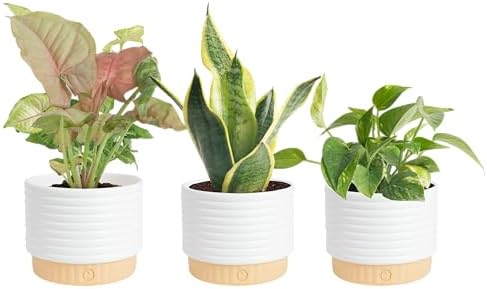

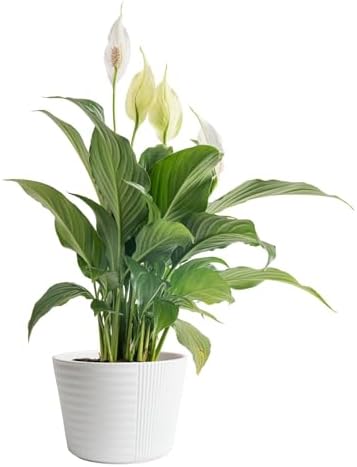
These plants are forgiving, adaptable, and thrive in typical indoor conditions.
Step 3: Pick the Right Pots and Containers
Choosing the right container is essential for healthy plant growth.
Container Tips for Indoor Gardening
- Always use pots with drainage holes
- Choose breathable materials like terracotta or ceramic
- Match pot size to plant size
- Use trays to protect surfaces

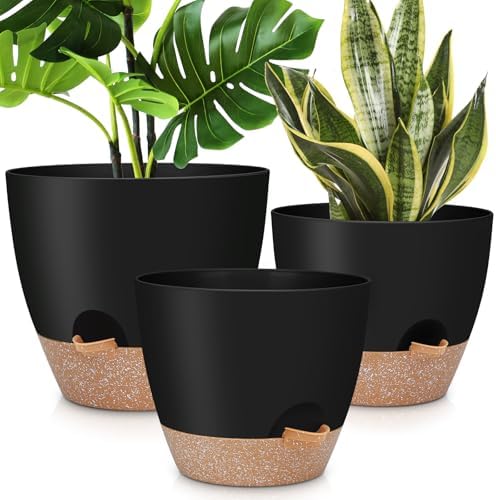
Good drainage prevents root rot—one of the most common indoor plant problems.
Step 4: Use the Right Soil for Indoor Plants
Indoor plants need a different soil mix than outdoor plants.
Best Soil for Indoor Gardening
- Lightweight, well-draining potting mix
- Avoid garden soil
- Use cactus or succulent soil for drought-tolerant plants
Quality soil improves water retention and root health.
Step 5: Learn How to Water Indoor Plants Correctly
Overwatering is the #1 mistake beginners make.
Indoor Plant Watering Tips
- Water only when the top inch of soil is dry
- Use room-temperature water
- Empty excess water from trays
- Reduce watering during winter
Each plant has different watering needs, so research individual plant care.
Step 6: Maintain Proper Humidity and Temperature
Indoor plants prefer stable conditions.
Ideal Indoor Growing Conditions
- Temperature: 65–75°F (18–24°C)
- Moderate humidity
- Avoid placing plants near heaters or air conditioners
Use a humidity tray or group plants together to increase moisture levels.
Step 7: Fertilize Indoor Plants Occasionally
Indoor plants need nutrients, but not too much.
Fertilizing Tips for Beginners
- Use a balanced liquid fertilizer
- Feed during spring and summer
- Avoid fertilizing in winter
Over-fertilizing can damage roots, so follow instructions carefully.
Step 8: Monitor Plant Health and Growth
Check your plants regularly for signs of stress.
Common Indoor Plant Problems
- Yellow leaves (overwatering)
- Brown tips (low humidity)
- Slow growth (low light)
- Pests like gnats or spider mites
Early detection keeps your indoor garden healthy.
Indoor Gardening Tips for Small Homes and Apartments
Even small spaces can support an indoor garden.
Space-Saving Indoor Gardening Ideas
- Use vertical planters or shelves
- Hang plants near windows
- Place plants on windowsills
- Use multi-purpose furniture with plant space
Conclusion: Start Small and Grow with Confidence
Starting an indoor garden at home is an easy and rewarding way to add greenery, improve air quality, and enhance your home decor. With beginner-friendly indoor plants, the right pots, quality soil, and proper watering, anyone can successfully grow an indoor garden—even in small spaces or apartments.
Indoor gardening is a learning process, so start small, observe your plants, and adjust care as needed. With consistency and the right indoor gardening supplies, you can enjoy healthy, thriving plants all year round. Now is the perfect time to begin your indoor gardening journey and create a fresh, green space inside your home. Happy Gardening!