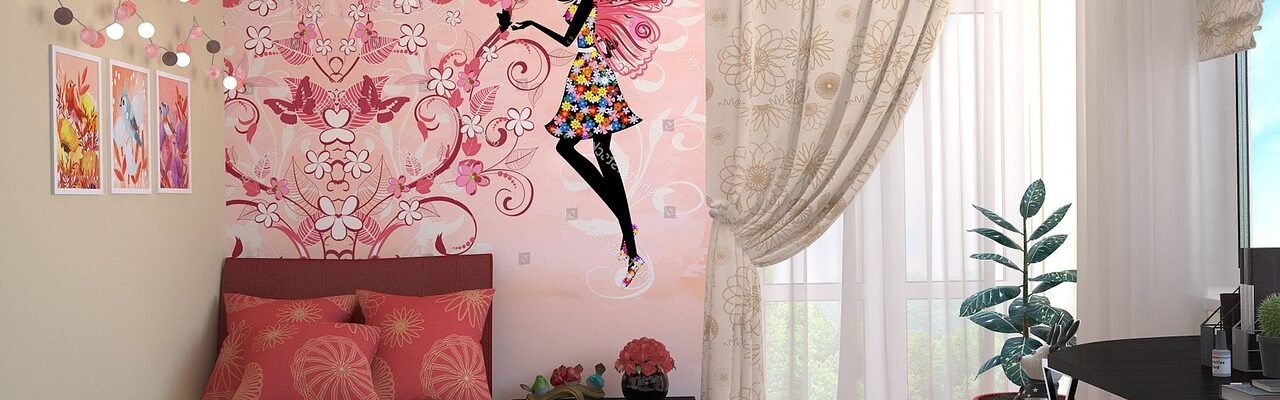
Decorating your child’s bedroom can feel like a balancing act. You want to create a space they absolutely love, but you also know their tastes will change faster than you can say “redecorate.” One year it’s all about dinosaurs, the next it’s outer space, and before you know it, they’re asking for something more mature.
The good news? You don’t have to completely overhaul their room every few years. With smart planning and adaptable decor choices, you can create a themed bedroom that evolves alongside your child from toddlerhood through their teenage years.
Why Choose Age-Adaptive Kids Bedroom Themes?
Before we dive into specific ideas, let’s talk about why this approach makes sense. Traditional kids room themes often feature cartoon characters or very specific interests that feel dated quickly. Not only does this mean more work for you, but it can also get expensive replacing furniture, bedding, and wall decorations every time their interests shift.
Age-adaptive bedroom design focuses on creating a foundation that’s flexible enough to grow with your child. Think of it as investing in pieces that can be refreshed with smaller, inexpensive updates rather than complete renovations. Below are creative “bed decor” ideas tailored for kids, with practical tips on how to ensure the design stays relevant through the years.
Timeless Kids Bedroom Themes That Work at Any Age
1. Start with a Neutral Base & Add Theme Elements
One of the smartest strategies is to begin with a neutral foundation — neutral wall colour, simple bed frame and bedding — and layer in themed elements (pillows, throws, wall decals) that can easily be switched out later. Designer sources recommend this approach for rooms that grow with the child.
- Use a simple bed frame (wood, white, or light neutral) so when the child’s interests change, you don’t need to replace the whole bed.
- Choose basic bedding (white, soft linen, cotton) then use accent pillows or themed sets to reflect current interests.
- This method means you get “kids themed bed decor” now, but “teen-friendly bed decor” later with minimal cost.


2. Choose Adaptable Themes for the Bed Decor
Here are some themed bed decor ideas that work for kids and can adapt as they grow:
- Adventure/Nature-Inspired Bed Decor: Jungle, forest, safari – use bedding with leaf motifs, a canopy bed, or wall decals of trees. (See examples in kids themed bedroom ideas)
- Space or Underwater Themes: A bed frame with “rocket/ship” style, glow in the dark stars over the bed ceiling, ocean blue throws. These are fun now and can transition into science-inspired or minimalist decor later.
- Neutral Colour + Themed Accents: Pick a palette like soft grey, off-white or sage green for walls and major furniture; then add a themed duvet, headboard art, or wall decal which can be changed easily. This is a key tip for “bedroom decor that grows with them”.
3. Focus on the Bed as the Centerpiece of the Decor
Here are tips specifically for the bed area:
- Bed frame & headboard: Choose a sturdy frame with a neutral headboard. You might add a themed headboard cover or removable decal.
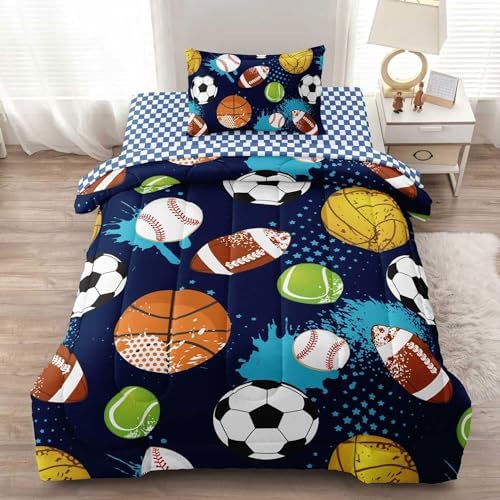
- Bedding sets: Use themed duvet covers/pillowcases (dinosaurs, unicorns, space) — but choose ones that can easily be swapped out.
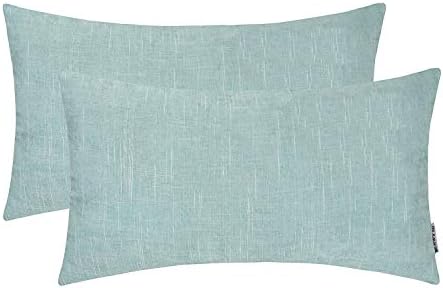
- Throw pillows & accessories: These are great to reflect current interests (cars, fairies, sports) and are inexpensive to update later.
- Bedside decor: For example, themed bedside lamp, wall art above the bed, or string lights. These small additions let you change the theme without redoing the entire room.
- Storage under or around the bed: Make sure the bed décor doesn’t interfere with function — comfortable sleep space + room for growth.


4. Future-Proof the Design (Grow With Them)
To make sure the decor “grows with the child,” keep these principles in mind:
- Avoid overly character-specific themes (e.g., a cartoon character wallpaper might feel dated in a few years). Instead, use motifs (stars, geometry, nature) that are timeless.
- Use removable decor: decals, wall art, cushions, duvet covers that can be replaced easily.
- Choose furniture and bed size with a “future” in mind: A twin bed now may need to become full size later, or ensure the theme can transition from “kid” to “teen”.
- Incorporate versatile colour palettes: e.g., warm neutrals + one accent colour. As your child’s taste changes, switch accent colours rather than everything.
- Involve the child: Let them pick 1-2 themed pieces, so their personality is included, and when interests change you can update those specific items.
5. Safety, Comfort & Practical Considerations
- Choose bedding and decor materials that are safe, washable and comfortable (especially important for kids).
- Avoid clutter around the bed so it remains a restful sleep space and not just “play”.
- Ensure bed decor is functional: Adequate lighting for reading, night light if needed, headboard comfortable for leaning.
- Storage doesn’t get ignored: Use under-bed drawers or simple boxes to keep toys/books out of sight when needed, maintaining the “stylish bed decor” look.
Practical Tips for Adaptable Kids Room Decor
- Invest in Quality Foundational Pieces: Spend your budget on furniture that will last: a solid bed frame (preferably one that converts from toddler to full size), a quality dresser, and good storage solutions. These pieces should be neutral enough to work with any theme direction you take.
- Use Removable Wall Treatments: Instead of permanently painting murals or installing bold wallpaper everywhere, use removable wall decals, peel-and-stick wallpaper designs. These allow for easy updates without damage or major expense. Alternatively, focus bold colors or patterns on just one accent wall that’s easier to repaint.
- Layer With Textiles: Bedding, curtains, throw pillows, and rugs are your best friends for theming a room because they’re relatively inexpensive to change. Keep your duvet cover neutral and add personality with accent pillows and throws that you can swap out as interests change.
- Create a Gallery Wall: A gallery wall with multiple frames allows you to easily switch out artwork as your child grows. Keep the frames consistent (all matching or all coordinated), but change the art inside to reflect their evolving tastes. This works for anything from finger paintings to concert posters to sophisticated prints.
- Add Personal Touches: Incorporate ways for your child to personalize their space themselves. A corkboard, magnetic board, or wire grid display lets them showcase their current interests, achievements, and favorite things without making permanent changes to the room.
- Choose Multi-Functional Furniture: Look for pieces that serve multiple purposes, like beds with built-in storage drawers, ottomans that open for toy storage, or desks that can adjust in height. These functional pieces work at any age and maximize space efficiency.
Color Psychology for Kids Bedrooms
While we’ve emphasized neutral foundations, the colors you layer in through accessories matter for creating the right atmosphere:
For younger children: Brighter colors stimulate creativity and energy. Consider primary colors or cheerful pastels, but balance them with calmer neutrals to avoid overstimulation.
For older children and teens: They often prefer more sophisticated palettes. Deeper blues, sage greens, charcoal grays, or even black accents paired with warm woods and soft lighting create a mature but age-appropriate space.
Whatever colors you choose, ensure the room has good balance. Too many bright colors can feel chaotic, while too much neutrality might feel sterile. Aim for a 60-30-10 rule: 60% neutral foundation, 30% secondary color, and 10% accent color.
Lighting Considerations for Different Ages
Lighting needs change as children grow, so plan for flexibility.
Young children need bright overhead lighting for play, plus a nightlight for comfort. Consider a dimmer switch to adjust lighting levels for bedtime routines.
School-age children need good task lighting for homework and reading. Add a desk lamp and bedside reading light.
Teenagers often prefer more atmospheric, layered lighting with the ability to create different moods. String lights, floor lamps, and multiple light sources they can control create the sophisticated vibe they’re after.
When to Refresh the Room
Even with an adaptable theme, you’ll want to refresh things periodically. Here are natural transition points:
- Moving from crib to bed: Perfect time to establish your long-term theme foundation
- Starting school: Add functional workspace and learning-focused elements
- Becoming a pre-teen (ages 9-11): Remove obviously childish elements, mature the color palette
- Teenage years: Major refresh allowing significant input from your teen on design choices
Budget-Friendly Updates:
You don’t need to spend a fortune to refresh a room as your child grows. Here are cost-effective update strategies:
- Paint is inexpensive and transformative. One new accent wall color changes the entire feel.
- Shop secondhand for furniture pieces you can refinish or repaint.
- Make DIY artwork together or print affordable art from online sources.
- Rearrange existing furniture for a fresh layout.
- Use fabric to create new pillow covers or no-sew curtain panels.
- Swap out just a few key accessories like lamps, mirrors, or rugs for significant impact.
Conclusion:
Creating a kids bedroom theme that grows with them isn’t about predicting the future or finding the one perfect theme. It’s about building a flexible foundation that can adapt to your child’s changing interests, needs, and maturity levels without requiring complete renovations every few years.
Start with quality neutral furniture, choose a timeless theme that can be styled multiple ways, and use easily changeable elements like bedding, artwork, and accessories to reflect their current personality. This approach saves money, reduces waste, and creates a room that always feels personalized to exactly who your child is at each stage of their journey.
Your child’s bedroom should be a space they love, one that supports their rest, play, creativity, and growing independence. With thoughtful planning, that same room can accomplish these goals whether they’re three or thirteen, simply evolving alongside the remarkable person they’re becoming. Happy Decorating!